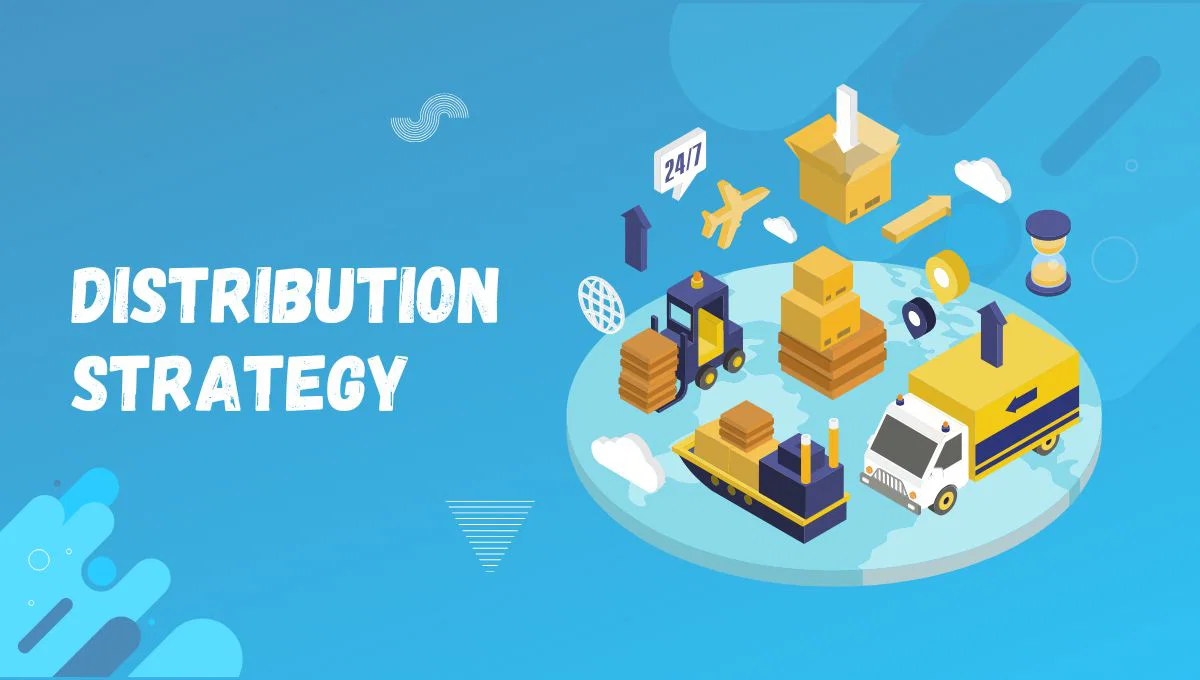
Distribution strategies refer to the methods and channels a company uses to deliver its products or services from the point of production to the end consumer. The overarching goal is to move inventory as efficiently as possible while delivering the best possible customer experience.
Faced with global competition, supply chain disruptions, and increasing market demands, companies can no longer treat distribution as an afterthought—or rely on a single strategy. It’s not enough to get products into customers’ hands. Businesses must do so in ways that meet buyer expectations, align with business goals, and preserve brand integrity. This article explains what distribution strategies are, describes the different approaches companies can take, and shares advice on how to choose the most suitable models.
Effective distribution strategies ensure that products or services reach the right customers at the right time while optimizing costs and efficiency. Here are some key distribution strategies businesses use:
1. Direct Distribution
- Selling directly to consumers without intermediaries.
- Examples: E-commerce stores, direct sales teams, brand-owned retail stores.
- Advantages:
- Higher profit margins (no middlemen).
- Greater control over customer experience.
- Direct access to customer data for marketing insights.
- Challenges:
- Requires significant investment in logistics and customer service.
- Can be difficult to scale quickly.
2. Indirect Distribution
- Using itermediaries like wholesalers, retailers, and distributors.
- Examples: Selling through supermarkets, Amazon, or third-party distributors.
- Advantages:
- Faster market reach and expansion.
- Leverages existing relationships and infrastructure.
- Lower operational costs.
- Challenges:
- Less control over branding and customer experience.
- Profit margins are shared with intermediaries
3. Intensive Distribution
- Making the product available in as many locations as possible.
- Examples: Soft drinks, snack foods, and everyday consumer goods.
- Advantages:
- Maximizes sales volume and brand visibility.
- Convenience for customers.
- Challenges:
- Requires large-scale production and logistics capabilities.
- Potential loss of exclusivity or brand prestige.
4. Selective Distribution
- Selling through a limited number of outlets in a particular geographic area.
- Examples: High-end electronics, designer clothing, premium cosmetics.
- Advantages:
- Better brand positioning and exclusivity.
- Stronger relationships with selected retailers.
- Challenges:
- May limit sales volume compared to intensive distribution.
5. Exclusive Distribution
- Selling through only one or very few retailers in a specific market.
- Examples: Luxury brands like Rolex, high-end cars like Ferrari.
- Advantages:
- Strong brand control and positioning.
- Higher customer service quality.
- Challenges:
- Limited market reach.
- Risk of losing customers who prefer convenience over exclusivity.
6. Omnichannel Distribution
- Integrating multiple channels (online, physical stores, mobile apps) for a seamless customer experience.
- Examples: Nike selling through its website, flagship stores, and third-party retailers.
- Advantages:
- Enhances customer convenience and satisfaction.
- Offers multiple touchpoints for engagement.
- Challenges:
- Requires strong coordination between channels.
- Can be expensive to maintain.
7. Dropshipping
- Selling products without holding inventory; suppliers ship directly to customers.
- Examples: Shopify dropshipping businesses.
- Advantages:
- Low startup and operational costs.
- No need to manage inventory.
- Challenges:
- Lower profit margins due to supplier fees.
- Dependence on third-party suppliers for fulfillment.
8. Franchise Distribution
- Expanding a business by allowing independent operators to use the brand and sell products/services.
- Examples: McDonald’s, Subway, Starbucks.
- Advantages:
- Rapid expansion with lower investment.
- Franchisees handle operational costs.
- Challenges:
- Less control over franchise operations.
- Risk of inconsistent brand experience.
9. B2B Distribution
- Selling directly to businesses rather than individual consumers.
- Examples: Wholesale suppliers, industrial manufacturers.
- Advantages:
- High-value contracts and bulk sales.
- Strong, long-term relationships.
- Challenges:
- Longer sales cycles.
- Requires specialized sales and support teams.
10. Subscription-Based Distribution
- Selling products/services through recurring subscriptions.
- Examples: Netflix, Dollar Shave Club, software-as-a-service (SaaS).
- Advantages:
- Predictable revenue and customer loyalty.
- Convenience for customers.
- Challenges:
- High customer acquisition costs.
- Requires ongoing value to prevent cancellations.
However Choosing Right Distribution Strategies is very beneficial because it helps to develop the business.
- Product type: Luxury vs. mass-market products require different distribution strategies.
- Target audience: Convenience vs. exclusivity needs.
- Market coverage: Wide reach vs. selective placement.
- Cost considerations: Balancing costs and profits.
- Technology & logistics capabilities: Can you manage direct-to-consumer efficiently?
In addition, Please visit my website for more details: Tamal Kabir