Service Selling Strategies That Drive Business Growth:
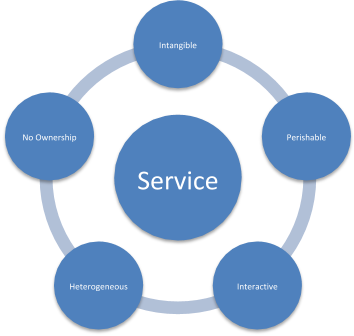
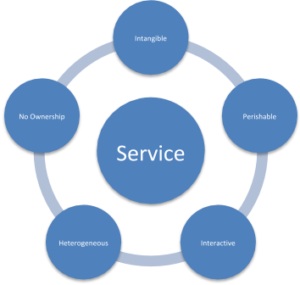
In today’s highly competitive marketplace, selling services requires a different approach than selling physical products. Services are intangible, meaning customers cannot see, touch, or test them before making a purchase decision. As a result, businesses must focus on building trust, demonstrating expertise, and delivering value throughout the customer journey. Implementing effective service selling strategies can significantly increase customer acquisition, retention, and overall business growth.
Understand Your Target Audience
The foundation of successful service selling begins with understanding your ideal customers. Businesses should identify customer needs, challenges, goals, and buying behaviors. Conducting market research, gathering customer feedback, and analyzing industry trends can provide valuable insights. When you understand what customers truly need, you can tailor your services and messaging to address their specific pain points.
Focus on Value Rather Than Price
Many service providers make the mistake of competing primarily on price. However, customers are often willing to pay more when they clearly understand the value they will receive. Instead of highlighting costs, emphasize the benefits, outcomes, and return on investment your service provides. Demonstrate how your service solves problems, saves time, increases efficiency, or helps customers achieve their objectives.
Build Trust and Credibility
Trust is one of the most important factors in service sales and important for effectiveness of service selling strategies. Potential clients need confidence that you can deliver on your promises. Showcase testimonials, client reviews, case studies, certifications, and industry experience to establish credibility. Sharing success stories and measurable results helps prospects visualize the benefits of working with your business.
Develop Strong Relationships
Service selling is often relationship-driven. Customers are more likely to buy from businesses they know and trust. Focus on creating meaningful connections through regular communication, personalized interactions, and exceptional customer service. Building long-term relationships not only increases sales but also encourages referrals and repeat business.
Use Consultative Selling Techniques
Rather than pushing a service, adopt a consultative approach. Ask thoughtful questions to understand the client’s challenges and objectives. Listen actively and provide tailored recommendations based on their unique situation. This positions your business as a trusted advisor rather than just another service provider, increasing the likelihood of conversion.
Create a Clear and Compelling Service Offer
Potential customers should quickly understand what your service includes, who it benefits, and why it is different from competitors. Develop clear service packages, transparent pricing structures, and well-defined deliverables. A compelling value proposition helps prospects make informed decisions and reduces confusion during the sales process.
Leverage Digital Marketing
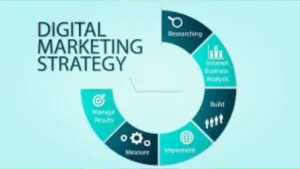
Digital marketing plays a crucial role in modern service selling and implementing service selling strategies. A professional website, search engine optimization (SEO), content marketing, email campaigns, and social media engagement can help attract and nurture leads. Publishing valuable content such as blogs, guides, videos, and case studies demonstrates expertise while building trust with potential customers.
Follow Up Consistently
Many sales opportunities are lost simply because businesses fail to follow up. Prospects often need multiple touchpoints before making a decision. Implement a structured follow-up process using emails, phone calls, and personalized messages. Consistent communication keeps your business top-of-mind and increases conversion rates.
Deliver Exceptional Customer Experiences
The sales process does not end when a customer signs a contract. Service quality directly impacts customer satisfaction, retention, and referrals. Exceeding expectations through excellent communication, responsiveness, and results creates loyal customers who become advocates for your business.
Measure and Improve Performance
Successful service selling strategies require continuous improvement. Track key performance indicators such as lead conversion rates, customer acquisition costs, customer satisfaction scores, and retention rates. Analyzing these metrics helps identify strengths, weaknesses, and opportunities for optimization.
Conclusion
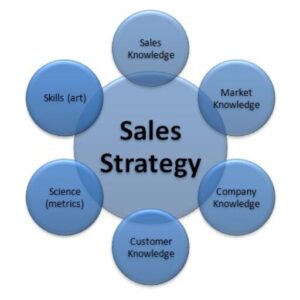
Effective service selling is built on understanding customer needs, demonstrating value, establishing trust, and nurturing long-term relationships. By combining consultative selling, digital marketing, consistent follow-up, and exceptional service delivery, businesses can create sustainable growth and gain a competitive advantage. Organizations that prioritize customer success and continuously refine their sales and service selling strategies will be best positioned to thrive in today’s evolving business environment.